Understanding Customized Packaging Solutions
In today's competitive market, businesses are increasingly recognizing the importance of customized packaging solutions. These tailored options not only enhance product presentation but also improve shipping efficiency, customer satisfaction, and bottom-line profitability. As a global manufacturer specializing in open-mouth bagging machines and FFS packaging lines, Durzerd understands that effective packaging extends beyond mere aesthetics; it involves strategically designing solutions that cater to specific product requirements and customer expectations.
When exploring options, customized packaging solutions provide comprehensive insights into the best practices and technologies available to meet diverse packaging needs. Engaging with experts in the field can lead to innovative designs that not only fulfill functional requirements but also align with brand identity.
What Are Customized Packaging Solutions?
Customized packaging solutions refer to packaging that is specifically designed for a product's unique characteristics, market demands, and branding strategies. Unlike standard packaging, customized solutions are tailored according to factors such as:
- Product dimensions and weight
- Material requirements
- Branding and design elements
- Environmental considerations
This level of customization ensures that products are not only protected during transit but also presented in a way that enhances consumer appeal. Such packaging can range from bespoke boxes and bags to integrated packaging systems that include labeling and inserts.
Benefits of Customized Packaging
The benefits of utilizing customized packaging solutions are manifold:
- Enhanced Brand Recognition: Unique packaging helps create a memorable impression, fostering brand loyalty.
- Improved Product Protection: Tailored solutions can reduce the risk of damage during shipping.
- Increased Efficiency: Customized designs can streamline packing processes, saving time and reducing labor costs.
- Eco-Friendliness: Sustainable packaging materials can be selected to meet environmental standards, appealing to environmentally conscious consumers.
Key Components of Effective Packaging Design
Effective packaging design encompasses several critical components that work together to achieve the desired outcomes. These include:
- Functionality: The packaging must serve its primary purpose of protecting the product.
- Aesthetic Appeal: Visual elements should be appealing and reinforce brand identity.
- Usability: End-users should find the packaging easy to open and use.
- Compliance: Packaging must meet regulatory requirements relevant to the industry.
Identifying Your Packaging Needs
Understanding your individual packaging requirements is vital to selecting the right solutions for your products. This process begins with a thorough assessment of various factors.
Assessing Product Requirements
Different types of products require different packaging approaches. For example, perishable goods may need insulated packaging, while fragile items require cushioned materials. Identifying the specific characteristics of your products will assist in determining the most effective packaging solution.
Target Market Considerations
Packaging also plays a crucial role in how products are perceived by the target market. Understanding trends, preferences, and cultural factors can influence packaging decisions significantly. For instance, consumer demand for sustainability can lead to the adoption of biodegradable or recyclable materials.
Common Challenges in Packaging Selection
Businesses often face challenges in selecting the appropriate packaging solutions, which can include:
- Budget constraints
- Supplier reliability
- Market competition
By addressing these challenges early in the process, companies can avoid costly mistakes and ensure their packaging aligns with business objectives.
Designing Your Custom Packaging System
Once your packaging needs have been identified, the next step is to design a custom packaging system that meets those needs effectively.
Best Practices for Packaging Design
Adopting best practices in packaging design can lead to better outcomes. Some essential practices include:
- Prototyping: Create prototypes to evaluate the design before full production.
- Iterative Testing: Test packaging with real users to gather feedback and make adjustments.
- Material Selection: Choose the right materials that offer durability and aesthetics.
Incorporating Branding into Packaging
A strong brand presence can be reinforced through carefully designed packaging. This can involve the use of specific colors, logos, and typography that resonate with your target audience, creating an instant connection between the product and the brand.
Utilizing Technology in Packaging Design
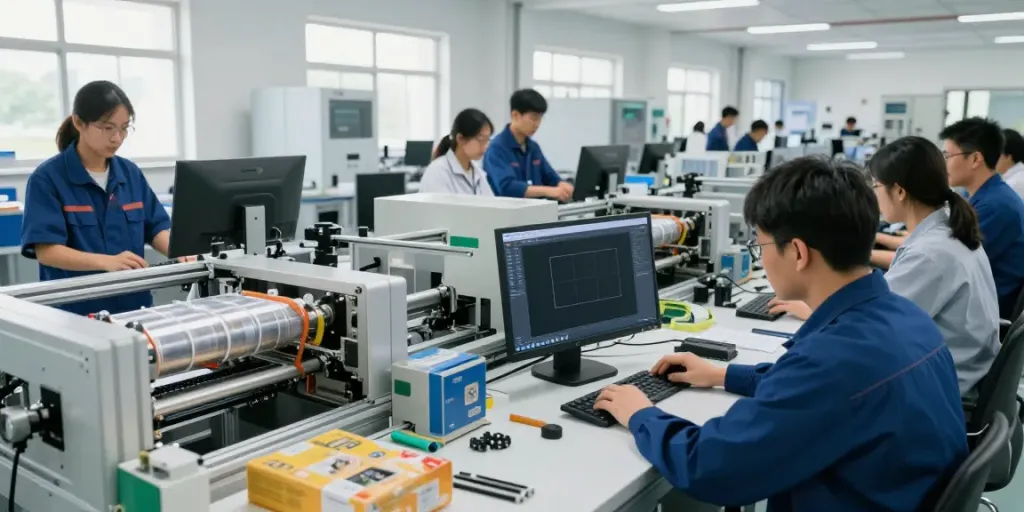
Technology is increasingly playing a pivotal role in the design and production of packaging. Computer-aided design (CAD) software, automation in production and 3D printing are some examples of how technology can enhance packaging solutions by improving precision and reducing lead times.
Implementation of Customized Packaging Solutions
After the design phase, it's imperative to implement the customized packaging solutions effectively.
Steps for Effective Implementation
Implementing custom packaging requires a structured approach:
- Finalize the design based on stakeholder feedback.
- Source materials from reliable suppliers.
- Train staff on new packing processes.
- Monitor packaging performance continuously.
Measuring Packaging Performance Metrics
To ensure your customized packaging solutions are successful, it’s essential to measure performance using metrics such as:
- Damage rates during shipping
- Consumer satisfaction feedback
- Cost efficiency of packaging materials
Case Studies of Successful Implementations
Many companies have successfully transformed their packaging strategies through customization. For instance, health and beauty brands that implemented eco-friendly packaging not only met regulatory standards but also enhanced their market appeal, leading to increased sales.
Future Trends in Packaging Innovations
Staying ahead of packaging trends will ensure your business remains competitive in the coming years. As we look towards 2026, several key trends are emerging.
Emerging Technologies in Packaging
Advancements in technology such as smart packaging, which can provide information about product freshness and safety, are becoming more prevalent. These innovations can enhance user engagement and provide businesses with valuable data.
Sustainability Practices in Packaging
Consumers are continuously looking for sustainable options, making it imperative for businesses to adopt eco-friendly materials and processes. This trend is expected to grow, pushing brands towards more responsible packaging solutions.
2026 Industry Forecast and Innovations
The packaging industry is forecasted to experience significant changes by 2026, including higher demand for personalized packaging experiences driven by e-commerce growth. Companies that adapt to these demands will likely gain a competitive edge.
How to Get Started with Customized Packaging?
Embarking on the journey toward customized packaging requires initial research and collaboration with reliable packaging partners. Start by evaluating your current packaging strategies and identifying areas for improvement.
How Much Do Customized Solutions Cost?
The cost of customized packaging solutions can vary widely based on design complexity, materials used, and production volumes. It is crucial to set a clear budget and work with suppliers who can provide a range of options to fit your financial plan.
What Materials are Commonly Used in Customized Packaging?
Common materials include cardboard, plastic, biodegradable substances, and glass, each offering different benefits and suitability based on the product being packaged.
How Do I Choose a Packaging Partner?
Selecting the right packaging partner involves evaluating their experience, reviewing case studies, and understanding their material sourcing capabilities. Additionally, consider their commitment to sustainability and innovative technologies.
What are the Benefits of Automated Packaging Systems?
Automated packaging systems can improve operational efficiency, reduce labor costs, and minimize human error. Investing in automation can significantly streamline packaging processes and enhance production speed.