
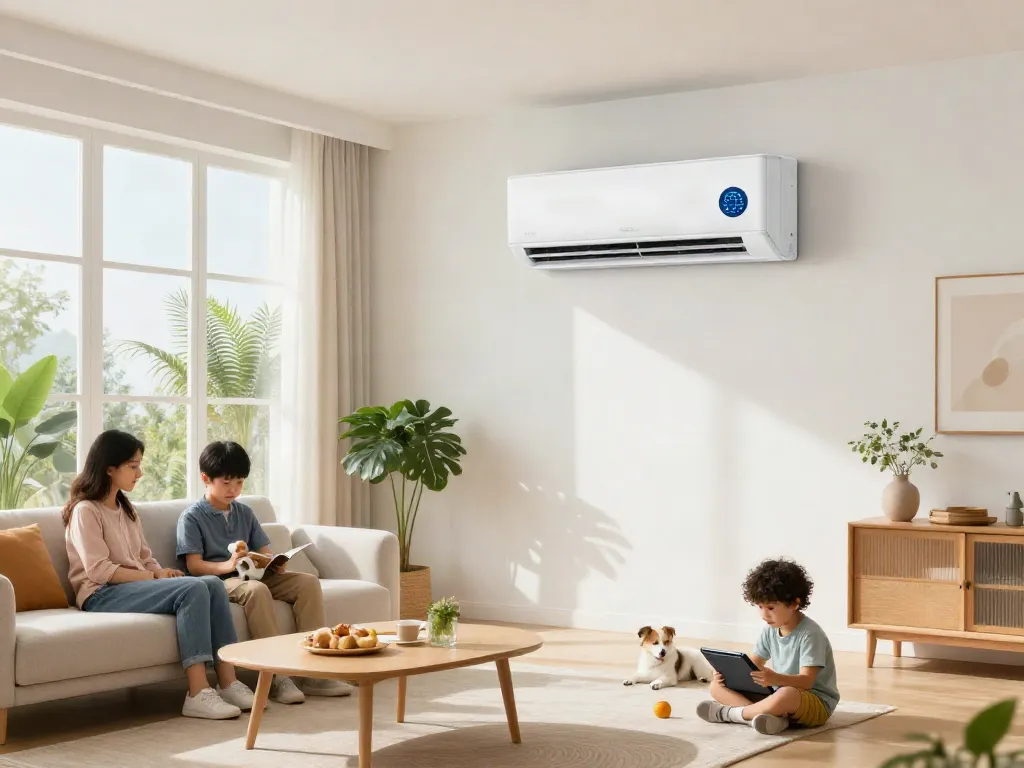
Understanding the Mini Split System
In recent years, the popularity of mini split air conditioning systems has surged, primarily due to their efficiency and versatility. As residential heating and cooling needs become increasingly unique, more homeowners are turning to these ductless systems. Unlike traditional HVAC systems that rely on ductwork, mini splits operate with an outdoor compressor and indoor air-handling units, offering greater flexibility in design and installation. When exploring options, mini split systems provide comprehensive insights into energy efficiency, precise temperature control, and ease of installation, making them an excellent choice for those looking to enhance comfort in their homes.
What is a Mini Split Air Conditioner?
A mini split air conditioner is a compact, energy-efficient system designed to heat and cool individual rooms or zones without the need for extensive ductwork. It consists of two primary components: an outdoor unit that houses the compressor and condenser, and one or more indoor units that distribute conditioned air. The system operates using refrigerant to transfer heat, providing efficient cooling in the summer and heating in the winter. This versatility makes mini splits suitable for various applications, whether in residential homes, office spaces, or even remote cabins.
Advantages of Mini Split Systems
Mini split systems offer numerous advantages over traditional HVAC systems:
- Energy Efficiency: Mini splits are known for their high SEER (Seasonal Energy Efficiency Ratio) ratings, often exceeding 20, which can lead to substantial savings on energy bills.
- Zone Control: Each indoor unit can be controlled independently, allowing you to set different temperatures in different rooms, enhancing comfort and reducing energy consumption.
- Easy Installation: Installation is generally less invasive than traditional systems, often requiring no more than a small hole in the wall for the refrigerant lines.
- Quiet Operation: Many mini split models operate at lower noise levels than traditional HVAC systems, making them ideal for bedrooms or quiet office spaces.
- Flexible Designs: With various styles available, including wall-mounted, ceiling-mounted, and floor-standing units, mini splits can fit into a wide range of architectural designs.
Components of a Mini Split System
Understanding the key components of a mini split system is essential for proper installation and maintenance. The main parts include:
- Outdoor Unit: This unit contains the compressor, condenser coil, and fan. It is responsible for expelling heat absorbed from the indoor air.
- Indoor Unit: The indoor component can be a wall-mounted or ceiling-mounted unit, which blows cooled or heated air directly into the room.
- Refrigerant Lines: These lines connect the indoor and outdoor units, allowing the refrigerant to circulate between them.
- Thermostat: Some systems come with a remote control or wall-mounted thermostat for temperature settings.
Choosing the Right Mini Split for Your Space
Selecting the appropriate mini split system requires a careful assessment of your space and specific needs. Below are crucial factors to consider:
Factors to Consider when Selecting a Mini Split
When choosing a mini split, consider the following:
- BTU Requirements: Calculate the necessary BTUs (British Thermal Units) to ensure the system can effectively heat or cool your space.
- Energy Efficiency: Look for models with high SEER ratings, as they can significantly cut down on energy costs.
- Size of the Space: The size and layout of your room can influence the type and number of indoor units required.
- Installation Type: Consider whether you prefer a DIY installation kit or professional installation for optimal results.
Comparative Analysis of Popular Mini Split Brands
Several brands dominate the mini split market, each offering unique features:
- Mitsubishi: Known for reliability and advanced technology, Mitsubishi offers a range of high-efficiency models suitable for various climates.
- Daikin: This brand provides flexible installation options and cutting-edge inverter technology, ensuring optimal energy use.
- Fujitsu: Renowned for quiet operation and robust performance, Fujitsu offers a variety of compact systems that fit into limited spaces.
- LG: LG mini splits come with smart technology options and sleek design, appealing to tech-savvy homeowners.
Cost-Benefit Analysis of Different Models
When considering a mini split system, it's important to conduct a cost-benefit analysis:
- Initial Cost: While the upfront cost can be higher than traditional HVAC systems, the long-term savings through energy efficiency can offset this expense.
- Maintenance Costs: Mini splits require less maintenance than conventional systems, which can lead to lower long-term costs.
- Incentives: Check for local and federal incentives for energy-efficient appliances, which can reduce overall costs.
Installation Best Practices
Proper installation is crucial to the efficiency and longevity of your mini split system. Here are best practices to ensure successful installation:
Professional vs. DIY Installation: Pros and Cons
Deciding whether to install a mini split system yourself or hire a professional has benefits and challenges:
- DIY Installation: Can save money; however, it requires knowledge of HVAC systems and local building codes.
- Professional Installation: Ensures that the system is set up correctly and safely, often comes with a warranty but at a higher cost.
Step-by-Step Installation Guide
If you choose to handle the installation yourself, follow these steps:
- Determine the ideal location for the indoor and outdoor units.
- Install the mounting plate for the indoor unit.
- Drill a hole for the refrigerant lines and electrical connections.
- Mount the indoor unit and connect the refrigerant lines.
- Connect the outdoor unit and ensure all connections are secure.
- Test the system to ensure proper operation.
Common Installation Mistakes to Avoid
To avoid pitfalls during installation, keep these common mistakes in mind:
- Incorrect Sizing: Choosing a unit that is too small or too large can lead to inefficiency.
- Poor Placement: Installing the indoor unit in a location with poor airflow can hinder performance.
- Neglecting Drainage: Failing to ensure proper drainage can lead to water damage and system malfunction.
Maintaining Your Mini Split System
Regular maintenance is essential for the efficient operation of your mini split system. Here are some tips to ensure longevity:
Routine Maintenance Tips for Longevity
Implement these routine maintenance practices:
- Clean the filters: Clean or replace filters every month during peak use to maintain airflow.
- Inspect the outdoor unit: Clear debris around the outdoor compressor to ensure efficient airflow.
- Schedule professional servicing: Have a technician inspect the system annually to ensure optimal performance.
Signs Your Mini Split Needs Repair
Be vigilant for these signs indicating your system may require repairs:
- Unusual noises: Sounds such as grinding or squealing may signal mechanical issues.
- Inconsistent temperatures: If some rooms are significantly warmer or cooler, it may indicate a problem with the system.
- Increased energy bills: A sudden spike in energy costs could reflect an inefficient or malfunctioning unit.
Energy Efficiency Ratings and Their Importance
Understanding energy efficiency ratings is vital when selecting and maintaining your mini split system. Higher SEER ratings generally indicate better efficiency, leading to lower energy bills and a reduced carbon footprint. Homeowners should aim for systems with a SEER of 16 or higher for maximum savings.
Future Trends in Mini Split Technology
The mini split market is evolving rapidly, with several trends shaping its future:
Innovations in Energy Efficiency for 2026
Emerging innovations are set to redefine energy efficiency standards, including:
- Variable Speed Compressors: These compressors adjust their speed according to the cooling or heating demand, minimizing energy consumption.
- Advanced Refrigerants: New refrigerants are being developed to lower environmental impact while maintaining efficiency.
- Improved Insulation: Enhancements in insulation materials may lead to better energy retention within conditioning zones.
Smart Mini Split Technologies to Watch
Smart technologies are making their way into mini splits, including:
- Smart Thermostats: Integration with home automation systems allows for remote control and energy-saving schedules.
- Predictive Maintenance Alerts: Systems that notify homeowners of potential issues before they escalate, ensuring uninterrupted service.
Predictions for the Mini Split Market
As the demand for energy-efficient solutions continues, the mini split market is expected to grow. With advancements in technology, regulatory support for sustainable practices, and increasing consumer awareness of energy savings, mini splits will likely become a standard fixture in modern homes.
Which brand of 110v mini split system is best?
When searching for a reliable 110v mini split system, brands such as MRCOOL, Senville, and Della are often recommended, with each providing unique benefits tailored to specific user needs.
What are the disadvantages of a mini split?
Despite their many benefits, mini split systems can have drawbacks, including higher upfront costs compared to traditional units, potential aesthetic concerns with visible indoor units, and the need for professional installation in some cases.
What is the typical cost of installing a mini split system?
The installation cost of a mini split system can vary based on the unit size, brand, and complexity of installation, but homeowners can expect to pay between $2,000 to $5,000, including both equipment and labor.
Do mini splits run up the electric bill?
While initial concerns about electric bills are common, mini split systems are designed for energy efficiency. Properly sized units can actually reduce overall energy costs compared to traditional air conditioning systems.
How do mini splits compare to traditional HVAC systems?
Mini splits generally provide greater energy efficiency, zoning capabilities, and flexibility compared to traditional HVAC systems, making them a compelling choice for many homeowners in a variety of settings.